

Does shaving really make hair thicker and grow faster? Debunking common shaving myths

“Every time I shave my legs, the new hair is hard, coarse, and feels like prickles,” or “I shave my beard, and the next day, new stubble grows, and it feels like it’s growing faster than before”—does this sound familiar? Many people have experienced similar experiences, even believing that shaving makes hair thicker and grows faster. But is this true scientifically? Today, we’ll debunk this myth.
Why does hair appear thicker and longer after shaving?
The phenomenon of hair becoming thicker after shaving is not a change in the nature of the hair, but rather some visual and tactile errors. So what exactly causes us to have this illusion?
1. The “taper effect” at the end of the hair disappears when shaving
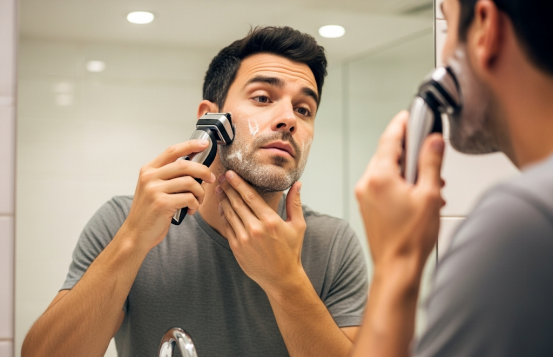
Normally, the ends of hairs naturally wear down to a tapered shape, feeling soft and delicate. But when we shave, the razor cuts the hairs off the skin’s surface, leaving behind a thicker cross-section, much like the cylindrical surface left when sharpening a pencil. This rough, hard cut surface is visually noticeable and makes it feel prickly. So, even though the hair itself hasn’t gotten thicker, it feels like it’s gotten harder.
2. The “dense feeling” of concentrated new hair growth
Hair doesn’t grow all at once. Each of our hairs has a growth cycle: growth, regression, and resting. Normally, different hairs grow in different phases, resulting in a more dispersed appearance. However, after shaving, all the removed hairs begin to grow again, creating a period of concentrated hair growth. This makes the hair appear to grow faster and denser.
3. Comparison of skin condition after shaving
When shaving, you usually use some water or shaving products to help soften the skin, which makes the skin look smoother and more delicate. However, the new hair is relatively rough, forming a strong contrast with the smooth skin, making you feel that the hair is more obvious and coarser.
Does shaving really change the pattern of hair growth?
It sounds like the logic behind “shaving makes hair grow thicker” makes sense, but science doesn’t support this claim. Let’s look at whether shaving actually affects hair growth from a biological perspective.
1. Shaving doesn’t make hair grow thicker
The thickness of hair is primarily determined by the size and shape of the hair follicle, as well as genetics and hormone levels. We often say that shaving makes hair thicker, but this is because the razor leaves a rough cross-section of the hair. The actual diameter of the hair remains unchanged; it simply appears thicker and feels tougher.
2. Shaving doesn’t speed up hair growth
Hair growth is relatively stable. For example, an adult’s beard grows approximately 0.3-0.5 mm per day, while leg hair grows even slower. Shaving doesn’t stimulate hair follicles and therefore doesn’t accelerate hair growth. The feeling of “new hair growing every other day” is actually because the hair roots are close to the skin. New hair appears quickly after shaving, giving the illusion of faster growth.
How to reduce the “roughness” after shaving and make the skin more comfortable?
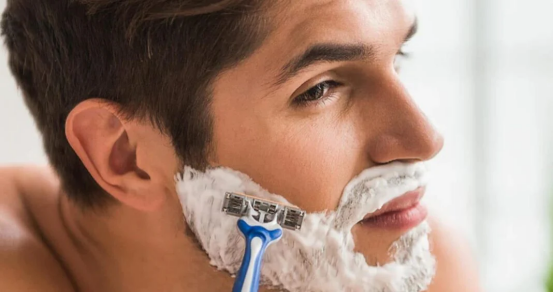
While shaving doesn’t change your hair’s natural growth patterns, it can leave stubble that can be irritating. If you want to improve this, here are some tips to help your skin feel softer after shaving.
1. Prepare the hair before shaving
Before shaving, it’s best to wash your face or shower with warm water. The water temperature can help soften the cuticles of the hair and skin, reducing the “rough cutting” of the hair by the razor and making the ends of the stubble smoother. You can also use shaving cream or shower gel to further lubricate the skin, reduce the friction of the razor, and prevent hair breakage.
2. Choose the right foil shaver and operate it correctly
foil shaver with multiple blades and a lubricating strip to help the razor fit closer to your skin and reduce irritation. Always shave in the direction of hair growth (for example, leg hair typically grows downward, so it’s best to start at the base of the thigh and shave toward the knee). Avoid shaving in the opposite direction, as this can not only cut the skin but also cause hair to grow inward, making the stubble appear coarser and harsher.
3. Moisturize your skin after shaving
After shaving, it’s best to rinse your skin with cool water to help close your pores. Next, apply a gentle body lotion or moisturizer to keep your skin hydrated and comfortable. Moisturizing effectively relieves dryness after shaving and forms a protective film on the skin’s surface, reducing direct friction between hair and skin, leaving your skin feeling smoother.
Summarize
Regarding the misconception that shaving makes hair thicker and grows faster, the truth is: shaving does not change the rate or thickness of hair growth. The perceived thickening of hair occurs primarily because the cut surface becomes rougher after shaving, and new hair grows more rapidly. Hair growth patterns are actually determined by genetics and hormone levels.
If you’re looking to reduce the thickness or coarseness of your hair long-term, you might want to consider other hair removal methods, such as laser hair removal or using a depilatory cream. If you’re just looking for short-term smoother skin, shaving remains a safe and convenient option without the worry of hair growing back thicker or faster.