

Don’t scratch your new tattoo! Doing it wrong can really ruin your tattoo. Read this article for the right way

After getting a long-awaited tattoo, many people often wonder, “How long before I can shave the tattooed area?” While this may seem like a minor consideration, it’s crucial to the longevity and clarity of the tattoo. Once the tattoo has fully healed, the skin is virtually indistinguishable from normal skin, making shaving generally a breeze. However, shaving during the healing period can cause the tattoo to fade and can also lead to skin problems.
Today, based on my experience as a tattoo artist, I will tell you in detail the correct way to shave a newly tattooed area. I will also share some tips for using foil shavers , so that you can protect your tattoo while enjoying a smooth shaving experience.
First, let’s be clear: Shaving a new tattoo during the healing period is more risky than you think
Newly tattooed skin is in a state of “repair,” which means it’s very fragile. Shaving at this stage is like “surgery on the wound,” which carries significant risks. There are two main reasons:
1. May cause tattoo discoloration
The tattoo ink is located in the dermis, while the epidermis, during its healing phase, has not yet fully repaired. Shaving can cause scratches, removing some of the settled ink and leaving gaps in the design. This is especially true for thin, light-colored tattoos, which are difficult to repair after fading.
2. Cause pain and infection
During the healing phase, tattooed skin often experiences slight redness, swelling, or itching. The friction of a razor can exacerbate this discomfort and sometimes even cause small wounds, allowing bacteria to enter, potentially leading to inflammation or even suppuration. This not only hinders skin recovery but also compromises the tattoo’s appearance.
So, don’t rush to shave during the healing period!
2. Critical time point: Wait 2 weeks to 1 month to confirm “complete healing” before scraping
Many people think that they can shave after a new tattoo after just one or two weeks, but this is not entirely true. Time is not the only criterion. The key is to observe whether the tattoo area meets the following three “complete healing” conditions:
1. No scab or peeling
It’s normal for a tattoo to form scabs during healing. Don’t pick at or scratch them; let them fall off naturally. The first step has been achieved only when the skin is smooth and there’s no residual dandruff.
2. No redness, swelling or shiny skin
The redness, swelling, and shiny feeling of a new tattoo are signs of skin repair. Waiting for the redness and swelling to completely subside and for the skin’s color to return to an even, even tone and feel normal is an important sign of healing.
3. No discomfort when touching
Gently touch the tattoo area. If there is no pain, itching or burning sensation, and the touch is consistent with the surrounding skin, it means that the skin has basically recovered.
Tip: If you have a large tattoo, intricate designs, or dry, sensitive skin, it’s recommended to wait a few days. It’s better to wait a few days before shaving than to rush and risk discoloration and skin irritation.
3. Shaving after complete healing: It can make the tattoo more visible
Many people worry that shaving the tattooed area will blur the pattern. In fact, shaving after the tattoo is fully healed has unexpected benefits:
- Removes fine hair and dead skin cells: Hair can make tattoos appear blurry and foggy, especially for those with thick hair or darker skin. Shaving can restore the clarity of tattoos.
- Brighten color: Clean skin can make the tattoo color more vivid and the details more prominent.
- Improve visual effect: Shaving off the hair covering the pattern is equivalent to doing a “deep clean” for the tattoo, making the tattoo more attractive.
We especially recommend using a foil shaver . Compared to ordinary blades, a foil shaver fits the skin better, making the shaving process gentler and reducing irritation to tattoos, allowing you to better protect your skin while shaving.
Tip: Before using a foil shaver, soften your beard with warm water and shave in the direction of hair growth. This will reduce skin irritation and provide a closer shave.
4. General tips for shaving in tattooed areas
To protect your tattoo and skin, please pay attention to the following two points when shaving:
- Use a sharp and clean razor.
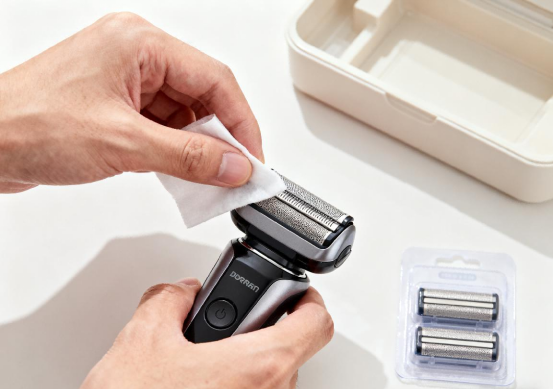
A dull blade will pull on the skin and increase the risk of scratches. It is recommended to replace the blade regularly and wipe it with an alcohol pad to reduce bacterial residue. - Use a gentle shaving product
. Avoid harsh shaving creams containing alcohol or menthol. Opt for a gentle shaving gel or foam. Apply gently, rinse with water after shaving, and apply moisturizer to keep your skin hydrated.
Tip: When using a foil shaver , it is best to wash the tattooed area before shaving and use a warm towel to soften the hair for a few minutes. This will make the shave smoother and reduce irritation to the skin.
5. Conclusion: Protect your tattoo, start with shaving
As long as your tattoo is fully healed, shaving shouldn’t be a major concern. The key is to avoid rushing into surgery while your skin is still healing. Patience, combined with the correct shaving techniques and tools, will not only protect your tattoo but also prolong its beauty.
Tattoos aren’t just body decorations; they’re stories and expressions of attitude. Every step of shaving is a tribute to this art form. Choosing the right foil shaver not only ensures a smooth shave but also protects your skin, keeping your tattoo beautiful and vibrant for years to come.