

Foil Shaver tip material corrosion resistance test: comparison of immersion in salt water/sweat/aftershave.

For frequent Foil Shaver users, the corrosion resistance of the razor head material is a crucial factor. Imagine using a razor daily, with the head exposed to sweat, salt water, or aftershave; over time, their corrosive properties will affect the shaving experience and the lifespan of the razor head. Especially for consumers with high demands for shaving tools, understanding the corrosion resistance of Foil Shaver head materials can help them make a more informed purchasing decision.
Table of Contents
1. The Importance of Foil Shaver Tip Material
When choosing a Foil Shaver , the blade head material is often overlooked but extremely important. The blade head material determines the shaver’s comfort, durability, and corrosion resistance. Common blade head materials include stainless steel, titanium alloy, and aluminum alloy coatings, and they each perform differently in humid environments. To find the best blade head material, we need to understand their corrosiveness in different liquids.
2. Common Foil Shaver Tip Materials and Their Characteristics
Stainless steel blade
Stainless steel is the most common material for Foil Shaver tips on the market due to its strength, durability, and relatively low cost. However, although it has good oxidation resistance, it can still rust and corrode after prolonged contact with certain liquids.
Titanium alloy cutter head
Titanium alloy blades are considered a high-end choice, as their corrosion resistance far surpasses that of stainless steel. Titanium alloys are not easily corroded by water, sweat, or salt water, making them the preferred choice for many high-end Foil Shaver brands.
Aluminum alloy coated cutter head
The aluminum alloy blade tip with an added coating is designed to provide lightweight properties and good corrosion resistance. However, this material may experience faster corrosion and coating peeling when exposed to salt water and sweat.
3. Foil Shaver Corrosion Test: Salt Water/Sweat/Aftershave
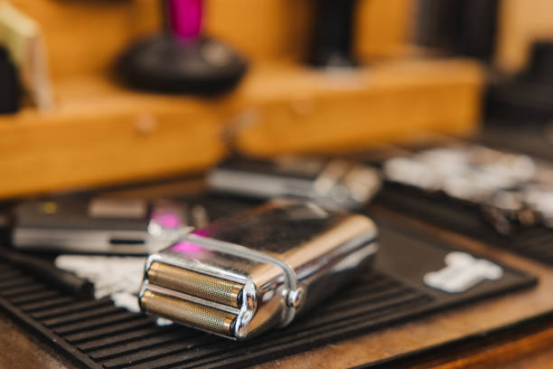
To test the corrosion resistance of Foil Shaver tips in daily use, we immersed stainless steel, titanium alloy, and aluminum alloy coated tips in salt water, sweat, and aftershave water, respectively, and observed their corrosion.
3.1 Saltwater Immersion Test
Salt water is a typical corrosive liquid, especially effective against metals. Immersing the blades in salt water simulates their long-term use in humid environments.
Test method: We immersed the stainless steel, titanium alloy and aluminum alloy coated blades in 10% salt water for 1 hour, 24 hours and 72 hours respectively.
Test results:
- Stainless steel blade: After 1 hour of soaking, the surface remains in good condition; after 24 hours, slight rust spots appear; after 72 hours, the rust spots increase significantly, and some areas begin to rust.
- Titanium alloy blade: Even after immersion for 72 hours, the titanium alloy blade remains smooth and corrosion-free.
- Aluminum alloy coated cutter head: After 1 hour, the coating begins to show slight discoloration; after 24 hours, the coating partially peels off; after 72 hours, the corrosion is quite severe, and it almost loses its usability.
Conclusion: Titanium alloy blades exhibit the strongest corrosion resistance in salt water and are recommended for consumers who have high requirements for blade material.
3.2 Sweat Immersion Test
Human sweat contains a certain amount of salt and acidic substances, which can accelerate metal corrosion. Therefore, understanding the corrosion resistance of Foil Shaver blades in sweat is also crucial.
Test method: The blade material was immersed in a simulated sweat solution (a mixture of salt, urea and water) for 1 hour, 24 hours and 72 hours respectively.
Test results:
- Stainless steel blade: No obvious changes were observed after 1 hour; slight corrosion appeared after 24 hours; obvious rust appeared on the surface after 72 hours.
- Titanium alloy cutter tip: Even after 72 hours, the surface remains smooth and has excellent corrosion resistance.
- Aluminum alloy coated cutter head: The surface changes color after 1 hour, the coating peels off after 24 hours, and corrosion is obvious after 72 hours.
Conclusion: Titanium alloy blades still perform best in sweat and are suitable for users who are exposed to sweat for extended periods.
3.3 Aftershave immersion test
Aftershave typically contains alcohol and fragrance. Although it is not very corrosive, long-term contact can still affect the lifespan of the razor head.
Test method: The blade material was soaked in aftershave containing alcohol and fragrance for 1 hour, 24 hours and 72 hours respectively.
Test results:
- Stainless steel blade: No obvious changes after 1 hour; slight scratches appear on the surface after 24 hours; signs of corrosion appear after 72 hours.
- Titanium alloy blade: showed no corrosion even after 72 hours of immersion, demonstrating the best performance.
- Aluminum alloy coated cutter head: It begins to change color after 1 hour, and after 72 hours, the corrosion is severe and the coating peels off.
Conclusion: Titanium alloy razor tips have the highest tolerance to aftershave and are suitable for users who frequently use aftershave.
4. Foil Shaver Conclusions and Recommendations
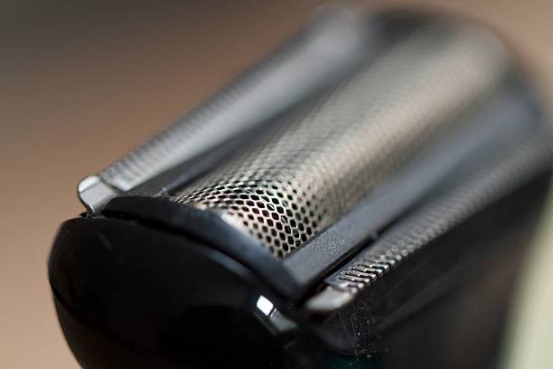
Based on tests of salt water, sweat, and aftershave, we can draw the following conclusions:
- Titanium alloy tips performed best in all tested liquids, showing almost no corrosion, making it the most recommended tip material for Foil Shaver.
- Although stainless steel blades have good performance, they will show slight corrosion after long-term use, making them suitable for daily use.
- Aluminum alloy coated blades have poor corrosion resistance and are not suitable for long-term use in humid environments, as they are prone to damage.
For consumers who prioritize corrosion resistance and durability, titanium alloy blades are undoubtedly the best choice, ensuring the Foil Shaver’s excellent performance over long-term use. Stainless steel blades are also a good option if budget is limited, while aluminum alloy coated blades are suitable for occasional use and those who prioritize portability.
Hopefully, this article will help you better understand the selection of Foil Shaver head materials, enabling you to make the best purchasing decision for you and enjoy a more comfortable shaving experience.