

How Long Does Razor Burn Last? A Complete Explanation of Causes and Treatments

Many of us experience razor burn during our daily shaving routine. Perhaps you’ve tried for a smooth shave, only to experience redness, stinging, and even itching hours later. This condition is not only uncomfortable but can also be detrimental to our mood, especially on a visible area like the face. So, how long does razor burn last? How can it be prevented and treated? This article will answer these questions and provide effective solutions.
What is razor burn?
Simply put, razor burn is skin damage caused by excessive friction during shaving, shaving in the wrong direction, or using a dull blade. Typically, this condition manifests as redness, stinging, burning, and occasional itching. In severe cases, it may also cause small bumps and inflammation. It often appears within a few hours after shaving and can sometimes last for several days, interfering with daily life.
How long does razor burn last?
Most razor burns resolve on their own within a few hours to a few days. Symptoms typically subside after one to two days of care. However, in more severe cases, razor burns may persist for several weeks, especially if there are deeper cuts or inflammation in the skin.
Fortunately, most people recover fully within a week with proper care. To help you find symptom relief sooner rather than later, here are some effective treatments.
Common causes of razor burn
Dull blades: One of the most common causes of razor burn is using expired or dull razor blades. Instead of cutting hairs, dull blades pull on the skin, pulling hairs out instead of cutting them, causing inflammation and discomfort.
Shaving too hard or in the wrong direction: Shaving against the grain or shaving too hard can increase friction on your skin and cause razor burn. Shaving in the wrong direction of hair growth can also easily cause skin irritation.
Not rinsing the blades in time when shaving: If the blades are not cleaned after each shave, residual hair and shaving cream may clog the blades, causing an uneven shaving process and excessive friction on the skin.
Excessive shaving: Frequent shaving can lead to constant irritation of the skin, which can develop into razor burn.
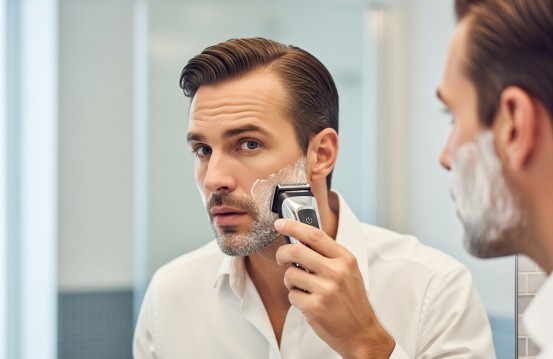
How to prevent razor burn and razor bumps?
The best way to prevent razor burn is to optimize your shaving technique and use the right tools:
Use sharp razor blades: Replace your razor blades regularly and avoid using dull blades. Sharp blades can reduce friction on the skin when shaving.
Shaving in the direction of hair growth: Shaving against the direction of hair growth can easily cause ingrown hair and inflammation. The correct shaving method should be in the direction of hair growth.
Avoid shaving too close to the skin: There is no need to use excessive force when shaving. Lift the razor slightly and maintain gentle movements to effectively reduce the risk of razor burn.
Use an electric razor: If you frequently experience razor burn, consider using an electric razor. Electric razors are designed to be gentler and less irritating to your skin.
Avoid using alcohol-based aftershaves: Alcohol can dry out your skin and worsen razor burn. Opt for gentle, alcohol-free aftershaves that are kinder to your skin.
Effective Ways to Relieve Razor Burn
When you experience razor burn, taking the right relief measures can help your skin heal faster:
Use aloe vera gel: Aloe vera gel has soothing and anti-inflammatory properties, which can help reduce the redness and discomfort of razor burn. Apply a thin layer of aloe vera gel several times a day and let it absorb naturally.
Cold compresses: Cold compresses are an effective way to relieve skin inflammation and reduce swelling. Gently applying an ice pack or cool towel to the affected area can quickly reduce burning and swelling.
Use a moisturizer: Keeping your skin moisturized helps repair a damaged skin barrier. Choose a gentle, non-irritating moisturizer to soothe your skin after shaving.
Hydrocortisone cream: For more severe razor burns, you can use over-the-counter hydrocortisone cream. It can effectively relieve redness, swelling, and irritation.
Avoid sun exposure: After razor burn, the skin is usually more sensitive. Exposing it to the sun may cause sunburn or aggravate inflammation, so try to avoid direct sunlight.
Seek medical help: If your razor burn is severe or you develop signs of infection (such as pus or significant redness), see your doctor immediately. Your doctor may prescribe an oral antihistamine or a stronger steroid ointment.
Razor Burn User Story: My Journey to Healing
For years, I’ve battled razor burn. Every time I shave, my face becomes red, swollen, and stinging, sometimes even with small bumps. It’s excruciating. Especially in the hot summer months, the discomfort makes me afraid to wear short sleeves and even feel self-conscious about leaving the house.
I stumbled across an article about razor burn that detailed its causes and treatments. At that moment, I finally understood why I was constantly plagued by it. It turned out that shaving too hard and using outdated blades were the root causes.
After implementing the tips in the article, my condition improved significantly. I switched to sharper blades, shaved strictly in the direction of hair growth, and incorporated natural remedies like aloe vera gel. Gradually, my razor burn decreased significantly, and my skin became smooth and comfortable again.
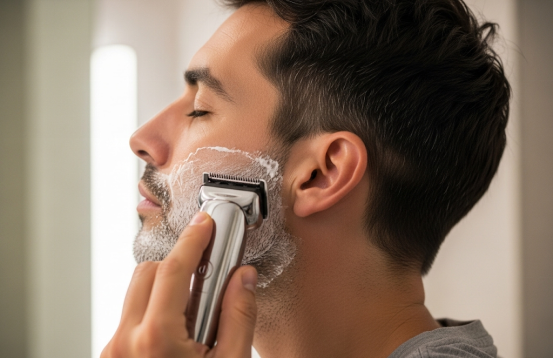
Summarize
Just because razor burn is common doesn’t mean it’s unpreventable and untreatable. By improving your shaving habits, using the right tools, and practicing proper shaving care, you can avoid or alleviate this discomfort. Remember, changing your blades regularly, shaving with the hair’s growth, and using gentle shaving products are key to prevention.
If you’re struggling with razor burn, try some simple, effective remedies and stick with them. Like me, you can conquer this affliction and make every shave a pleasure, not an ordeal.
Frequently Asked Questions:
How long does razor burn typically last?
Typically, razor burn goes away within a few hours to a few days. Severe cases may take several weeks.
What are the common causes of razor burn?
Common causes of razor burn include using dull blades, shaving too closely, shaving against the grain, and not cleaning the blades promptly after shaving.
How to prevent razor burn and bumps?
You can effectively prevent razor burn by using sharp blades, shaving in the direction of hair growth, and avoiding overshaving.
How to relieve the symptoms of razor burn?
Using natural remedies such as aloe vera gel, cold compresses, and moisturizers can relieve pain and reduce inflammation.
I hope this article helps you solve the problem of razor burn and restore smooth and comfortable skin! Upgrade your shaving experience !
Every man deserves a truly exceptional razor.