


Post-shaving acne is a common problem, especially for those with sensitive or acne-prone skin. Men who shave daily may notice redness, swelling, and even breakouts after shaving. So, how can you prevent acne after shaving with a foil shaver ?
Why does shaving cause acne?
Shaving itself doesn’t directly cause breakouts, but it can worsen or trigger existing acne problems if you don’t shave correctly. This is because the slight friction from the blades contacting your skin can disrupt your skin’s natural barrier, opening pores and increasing the risk of bacterial infection. This can be exacerbated if you already have oily or sensitive skin.
Causes of acne after shaving
Acne is typically caused by excessive oil production from the sebaceous glands, which clogs the pores. When shaving, the razor not only cuts the hair but also opens the pores, which in some cases can make them more susceptible to clogging with oil, dead skin cells, or bacteria. People with oily skin are particularly prone to this.
But don’t worry, there are some methods and steps that can effectively reduce the occurrence of post-shaving acne and let you enjoy a worry-free shaving experience.
Tips for preventing breakouts after shaving with a foil shaver
1. Choose the right product
First, choosing the right razor is crucial. For those with acne-prone or sensitive skin, a foil shaver is often gentler than a rotary shaver. Foil shavers are designed to reduce skin irritation, provide a smoother shave, and are more suitable for sensitive skin.
2. Gently cleanses the skin
Before shaving, cleanse your face with a mild cleanser to remove excess oil and impurities. This step helps prevent dirt and oil from entering your pores while shaving, reducing the risk of post-shave infection.
3. Use warm water to soften your beard
Warm water can help open your pores and soften your beard, allowing the foil shaver to glide more smoothly across your face and reduce friction. It’s best to shave after a shower, as this not only softens your beard but also removes dead skin cells from your skin’s surface, preventing clogging of your pores.
4. Use the correct shaving technique
When shaving, try to shave in the direction of hair growth rather than against it to reduce friction and skin irritation. For those with oily skin, it’s crucial to avoid applying excessive pressure, as excessive pressure can cause scratching or irritation, which can lead to breakouts.
5. Use shaving products suitable for oily skin
If you have oily or acne-prone skin, choose an oil-free or non-greasy shaving cream or gel and avoid products with too many chemical ingredients. Shaving products specifically formulated for sensitive skin can help minimize allergic reactions and irritation.
6. Don’t neglect after-shave care
After shaving, cleanse your face thoroughly with warm water to remove any oils and bacteria that may have been left behind during shaving. Then, pat your face gently, avoiding friction. If possible, choose an astringent or toner suitable for oily skin to help tighten pores and balance your skin’s oil-water balance.
7. Use a soothing aftershave
After shaving, use a soothing aftershave product, such as one containing hydrocortisone, to soothe the burning sensation of the razor and help inhibit bacterial growth, reducing inflammation. If your skin is particularly sensitive, choose an alcohol-free aftershave to avoid irritation.
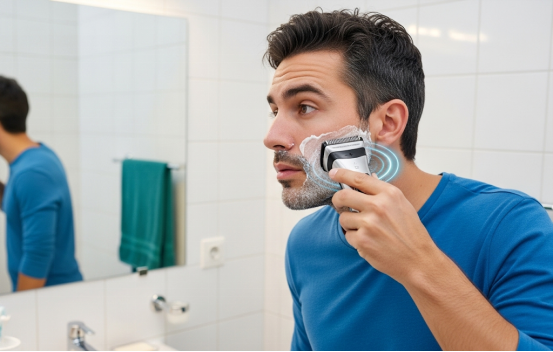
How to deal with shaving problems with oily skin?
Men with oily skin need to pay particular attention to post-shaving care. Shaving not only removes hair but can also stimulate sebaceous glands, causing the skin to produce more oil. Therefore, using oil-control skincare products (such as those containing salicylic acid) can help unclog pores, reduce oiliness, and prevent breakouts.
Conclusion: Keep clean to prevent acne
Post-shaving acne isn’t inevitable. Choosing the right shaving tools, mastering the correct shaving technique, and adopting a healthy skincare regimen can significantly reduce the risk of post-shaving acne. Everyone’s skin is different, so finding the right shaving method and skincare routine for you will make shaving more than just a cleansing experience; it will become a pleasure.
If you are worried about how to prevent acne after shaving with a foil shaver , starting today, you might as well try these tips to give your skin more gentle care and reduce unnecessary troubles after shaving!
FAQs
1. Does shaving cause acne?
Shaving itself doesn’t directly cause acne, but it can aggravate existing acne or trigger new breakouts. Improper shaving technique or using inappropriate products can irritate the skin, clog pores, and trigger breakouts.
2. How can I tell if I have acne?
Acne typically appears as pimples, blackheads, whiteheads, or cysts, primarily on the face, chest, or back. Acne-prone skin may also experience redness, swelling, and tenderness.
3. How can I prevent breakouts after shaving with a foil shaver?
Use a sharp, clean foil shaver . Try shaving in the shower or afterward to open your pores. Cleanse your skin with a gentle cleanser. Finish with an astringent to help tighten pores and keep out oil and bacteria.