

Say goodbye to foil shaver bumps: A comprehensive guide from prevention to improvement

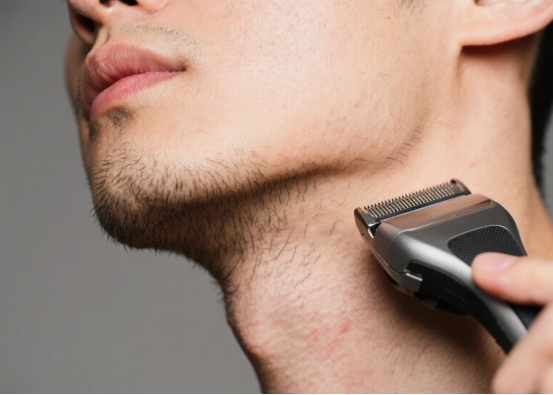
After every shave, you’ll notice small, red, and swollen bumps on your neck or chin. These bumps are not only uncomfortable but often accompanied by itching and pain. These are the so-called “razor bumps” that trouble many people. These bumps are typically caused by irritation of hair follicles, ingrown hairs, or bacterial infections during shaving, and are particularly common among those with sensitive skin and coarse hair. If you’re experiencing these issues, consider taking a thorough approach to the entire shaving process, from pre-shaving preparation and shaving to post-shaving care, to help you effectively prevent and improve razor bumps.
1. Prevention first: Reduce the probability of foil shaver lumps
Before shaving: warm up your skin and hair
- Moisten your skin with warm water: Before shaving, moisten the area you’re shaving with warm water, ideally for 3-5 minutes (you can do this in the shower) to allow your pores to open and your hair to soften. This will reduce the amount of rubbing against your skin by the blade. Be careful not to overheat the water, as this can damage your skin’s natural barrier.
- Apply shaving cream or foam: If you use a manual razor, it’s recommended to choose a gentle shaving cream or foam. For sensitive skin, fragrance-free products or those containing aloe vera can create a protective barrier between the skin and the blade, reducing friction.
When shaving: choose the right tool + follow the grain
- Sharp blades: Using sharp blades is key to preventing razor bumps. Dull blades repeatedly pull at hairs, increasing the risk of follicle damage. Therefore, it’s recommended to replace the blades on your manual razor every 3-5 times to ensure a clean and comfortable shave.
- Follow the direction of hair growth: Always follow the principle of “shaving in the direction of hair growth”, especially in areas with complex hair growth such as the neck and jaw. You can use your fingers to feel the direction of the hair before starting to shave to avoid irritating the hair follicles by shaving in the opposite direction.
- Appropriate force: Keep the blade naturally in contact with the skin during operation, and do not press too hard. Excessive force can easily cause micro-fractures on the skin, leading to infection and razor bumps.
After shaving: immediate soothing and protection
- Rinse with cool water: After shaving, rinse the shaved area with cool water to help tighten pores and reduce redness. Avoid using aftershaves containing alcohol, as alcohol can irritate the skin and increase discomfort. Instead, use products with soothing ingredients like witch hazel and allantoin to calm the skin.
- Apply moisturizing lotion: Finally, apply a layer of oil-free moisturizing lotion to help replenish moisture to the skin, strengthen the skin barrier function, and reduce the risk of inflammation.
2. Targeted improvement: What should I do if I already have razor bumps?
Mild redness and swelling: Gentle care to promote recovery
If the redness or itching is mild, you may be able to relieve it by:
- Cold compress: Use a clean towel dipped in cold water to gently apply to the swollen area for 1-2 minutes each time to help relieve inflammation.
- Ointment application: If the redness and swelling are severe, use an ointment containing hydrocortisone to relieve the symptoms. Follow the instructions for use and do not use it continuously for more than one week.
Ingrown hair: Treat with care to prevent infection
Ingrown hairs are a common cause of razor bumps. If you notice an ingrown hair after shaving, don’t rush to tweeze it out, as this can worsen the infection.
- Hot compress: Apply a warm towel to the skin for 5 minutes to soften the skin and hair.
- Pick out ingrown hairs: Use a sterilized needle to gently pick out the tips of the ingrown hairs, avoiding pulling them out directly to maintain normal hair growth. Apply antibacterial gel afterward to prevent infection.
Severe inflammation: Seek professional help promptly
If razor bumps become purulent and are accompanied by severe pain or persist, this may have developed into folliculitis. In this case, it is recommended to seek professional medical help as soon as possible and use antibacterial drugs under the guidance of a doctor to prevent the spread of inflammation.
3. Daily habits: reduce the recurrence of razor bumps
Clean your shaving tools regularly: Always rinse your manual shaver thoroughly with hot water after each use. Foil shavers need to be disassembled and the blade cleaned regularly to prevent bacterial growth.
- Avoid frequent shaving: Frequent shaving can easily put a strain on your skin, so giving it enough time to recover is crucial. For sensitive skin, it’s recommended to shave every 2-3 days to avoid over-irritation.
- Keep your skin clean: Keep the shaved area clean, but avoid using strong cleansing products, especially those that are overly oily cleansers or scrubs. These products may strip the skin of its natural oils and affect the skin’s protective function.
Summarize
By taking preventative measures and following the right treatment methods, you can effectively reduce the occurrence of razor bumps and keep your skin smooth and comfortable after shaving. Remember, being gentle with your skin is key to keeping it in good condition for the long term. This will not only reduce post-shave discomfort but also give you a more perfect shaving experience.