

Should men trim or shave their armpit hair? A safe trimming guide + pros and cons analysis to say goodbye to odor and embarrassment

For many men, armpit hair care is a topic that is often overlooked but actually affects their daily experience. Some people think that natural growth is more casual and individual; others feel that excessive armpit hair causes sticky sweat and a noticeable odor and is even a bit embarrassing.
The truth is, there’s no single right answer when it comes to armpit hair care. Whether to trim or shave comes down to personal preference and needs. Regardless of the method chosen, mastering safe trimming techniques is crucial to avoid skin irritation or injury. For men who prefer a more refined experience, choosing the right tools, such as a high-quality foil shaver or professional trimmer, will make the process safer and more comfortable.
Below, I’ve broken down the key points of armpit hair trimming and shaving, combined with professional grooming advice, to help you find the method that’s best for you.
First, let’s understand: Why do we grow armpit hair? 3 evolutionary reasons
Before deciding whether to deal with armpit hair, it is more helpful to understand its physiological function. This will make the choice more rational and not completely dependent on external opinions.
Reduce skin friction
When your arms swing, the skin under your armpits touches each other, and the armpit hair acts as a natural “cushion” to reduce friction. This protective effect is especially noticeable when running for a long time or playing basketball.
Assisting sweat evaporation
The armpits are areas with dense sweat glands. Armpit hair helps sweat diffuse faster from the skin surface, accelerates evaporation, and avoids the sticky feeling caused by sweat staying for a long time.
which contributes to scent transmission,
contains pheromones, which are absorbed and retained by armpit hair. Evolutionarily, this odor helped attract mates. However, in modern life, this odor, mixed with bacteria, can create an unpleasant odor, which is why many people choose to maintain their armpit hair.
Cutting vs. Shaving: The Pros and Cons of Two Armpit Hair Care Methods
There are two common approaches to armpit hair care: trimming (retaining some length) and shaving (complete removal). Each has its own advantages and disadvantages and suits different needs. The choice should be based on your daily routine and skin sensitivity.
| Care methods | Core Advantages | Precautions | Suitable for people |
| prune | Low maintenance: Trim only once every 1-2 weeks. Low irritation: No irritation to hair follicles, reducing itching and redness. Retains protective function: Reduces friction and aids sweat evaporation. | The hair grows back quickly and needs to be trimmed regularly. If it is not trimmed neatly, it may show through sleeveless clothes, which may be a bit embarrassing. | People with sensitive skin that easily turns red; people who want to improve odor but don’t want to completely remove armpit hair; people who wear long sleeves more often and don’t mind their armpit hair being exposed. |
| shaving | High freshness: completely hair-free, drier after sweating, with less odor. Visually neat: wearing sleeveless clothes or vests will make you look neater. | High maintenance: Shave every 3-5 days. Irritation: The razor may scratch the skin, causing itching or folliculitis. Loss of cushioning: The skin rubs directly when the arm moves. | People with high skin tolerance and not prone to sensitivity; people who often wear sleeveless clothes or sportswear; sports enthusiasts (such as fitness and swimming). |
Safely Trimming Your Armpits: A 5-Step Guide
Whether it is “cutting it shorter” or “cutting first and then shaving,” the correct trimming steps can make the process safer and more comfortable, especially for the sensitive skin under the armpits, which requires more attention to detail.
Step 1: Choose the right tools—don’t use regular scissors!
Ordinary scissors are sharp and difficult to control the length, which can easily scratch the skin. Recommended options:
- Waterproof body trimmer: Give priority to models with adjustable length combs (such as #1, #2, and #3 gears). Gears #1-#2 are suitable for short cuts, and gear #3 is suitable for keeping a slightly longer length. The waterproof function makes it convenient to use in the shower and easier to clean.
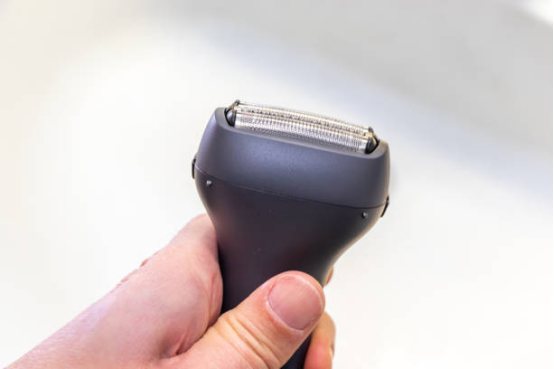
- High-quality foil shaver: especially suitable for those who pursue a smooth effect, which can effectively reduce irritation.
- Spare small comb and round-headed small scissors: can be used when there is no trimmer. Place the comb under the armpit hair and cut the scissors close to the comb teeth to reduce the risk of injury.
Step 2: Pretreatment – Cleaning and Softening
Residual sweat and antiperspirant under the armpits will affect the trimming effect.
- Rinse your underarms with warm water, preferably while you’re showering.
- Cleanse with a mild body wash to remove dirt and residue.
- Pruning is safer when the skin is dry.
Step 3: Adjust your posture—stretch your skin
There are wrinkles under the arms, which can easily lead to uneven trimming if not stretched:
- Lift one arm and raise your elbow as high as possible, keeping the skin under your arm taut.
- Use your other hand to gently press the skin to prevent the tool from getting stuck.
Step 4: Start trimming—step by step
Don’t use the shortest gear at once:
- Start by trimming at a slightly longer setting, then adjust as needed.
- Trim slowly in the direction of hair growth.
- Clean the trimmer head intermittently during trimming to avoid clogging.
- Finally, check the details, especially the inner part of the armpit, which is easy to miss.
Step 5: Follow-up cleaning—double care
After pruning:
- Rinse the trimmer head with clean water, wipe dry, and apply a small amount of maintenance oil.
- Rinse your underarms with cold water to shrink pores.
- Apply fragrance-free body lotion to reduce dryness.
3 key tips for shaving your armpits
If you want a completely smooth shave, you need to pay special attention to
- Cut short before shaving: Avoid long hair from getting tangled in the razor, which can cause the blade to get stuck and scratched.
- Use special shaving products: Do not shave dry; choose a mild shaving gel containing aloe vera and glycerin to form a protective film to reduce friction.
- Gentle shaving: Shave in the direction of hair growth, gently shaving in the opposite direction if necessary to avoid repeatedly shaving the same area and reduce redness and swelling.
Also, with a high-quality foil shaver, the shaving process is smoother and less irritating to the skin.
Things to note after armpit hair care
Whether you’re cutting or shaving, aftercare can improve comfort:
- Avoid using antiperspirant immediately: the small wounds on the underarm skin are more fragile after treatment, so it is recommended to wait 30 minutes before using.
- Exfoliate regularly: Cleanse weekly with a gentle scrub to prevent ingrown hairs.
- Choose breathable clothing: Breathable materials such as cotton and linen reduce stickiness and odor.
summary
The key to armpit hair care is to “make yourself feel comfortable.” Natural growth is fine; if you choose to treat it due to odor or embarrassment, the above methods will keep it looking fresh while protecting your skin. There’s no hard and fast rule; the best approach is what works for you.
For men who pursue the ultimate experience, choosing a high-quality foil shaver and using the correct trimming method will make the care process easier and safer and also allow you to stay neat and confident.