


Sometimes you might suddenly notice that your beard smells a bit like something. That slightly sour, oily, or even “restaurant barbecue” smell can be embarrassing and confusing. Don’t worry, this isn’t a rare problem. Beard odor is actually quite common, but it’s often something people shy away from talking about.
The key isn’t to hide it but to understand it. Why does your beard smell? What habits or circumstances exacerbate it? And how can you restore your beard to its original, fresh look? Let’s break it down piece by piece.
1. Why does your beard smell? —— Finding the source will solve the problem
The reason your beard smells is often due to a combination of factors: sweat, sebum, bacteria, environmental odors, and even your health. The following are the most common causes.
1. Bacteria and microbial growth
This is one of the main culprits. The skin under your beard is warm and moist, and with its abundant sebum secretion, it’s a haven for bacteria. As they break down sebum and dead skin cells, they release volatile gases that create an unpleasant odor.
That pungent beard odor many people experience is actually caused by bacteria. If your beard has a “musty” or “sour” smell, it often means that bacteria has accumulated deep within the hair.
2. Mixing of sweat, sebum, and residue
The face has numerous sweat glands, and the sweat and oil secreted easily flow down the beard. This mixture is particularly prone to odor deterioration for those who enjoy strong flavors, exercise frequently, or work in a humid environment. Food residue, grease, and low-quality shaving products are among the main sources of odor.
3. Environmental odor adsorption
Beards are actually like “odor reservoirs.” Cigarette smoke, cooking fumes, exhaust fumes, perfume, and even chemical gases are all absorbed by hair. Air pollution and cigarette smoke are the most common sources of external odors. The “greasy restaurant smell” that many men’s beards emit is actually caused by environmental residue.
4. Inappropriate care products
Many people casually wash their beards with regular shampoo or soap, which disrupts the skin’s oil balance and causes excessive oil production, making it more prone to odor. Regular shampoo is too alkaline, which not only irritates the skin but can also worsen beard odor.
5. Health or skin problems
Although rare, certain metabolic diseases (such as “fish body odor syndrome”) or skin inflammation may also cause the body to emit a special odor. The beard simply “helps retain” these molecules. If the odor is particularly stubborn, it is best to consult a doctor for investigation.
2. How to truly eliminate beard odor? A complete analysis of the core methods
Once you understand the cause, you can address it in a targeted manner. Actually, getting rid of beard odor isn’t complicated; the key is to stick to the four steps of cleaning, moisturizing, ventilation, and healthy living habits.
1. Regular cleaning is the basis
Don’t be lazy. Using a beard shampoo is the right way to start. Regular shampoo or soap is too harsh and can damage the skin barrier. Washing 2-3 times a week is recommended. Be sure to blow-dry or wipe your beard thoroughly after washing, as a humid environment is a breeding ground for bacteria.
Tip: Warm water rinses are more effective and can remove grease and debris more effectively than cold water.
2. Use beard oil and fragrance to balance your scent
High-quality beard oil not only moisturizes but also neutralizes odor. Natural oils like tea tree, peppermint, sandalwood, and cedarwood provide a refreshing scent and antibacterial properties. Applying beard balm after beard oil locks in the scent and provides protection.
3. Comb your beard every day to let it breathe
Combing your beard once or twice a day with a wooden or bristle beard brush can help distribute oil evenly and prevent buildup. This simple habit is extremely effective in preventing odor. After exercise or going out, simply wiping your beard with a towel can also help keep it aired out.
4. Adjust your lifestyle
Diet and environmental factors are equally important. Strong-smelling foods like garlic, onions, coffee, and alcohol can affect beard odor through sebum.
Quit smoking or try to avoid smoky environments; pay attention to oil smoke when cooking; keep your mouth clean—these can indirectly reduce beard odor.
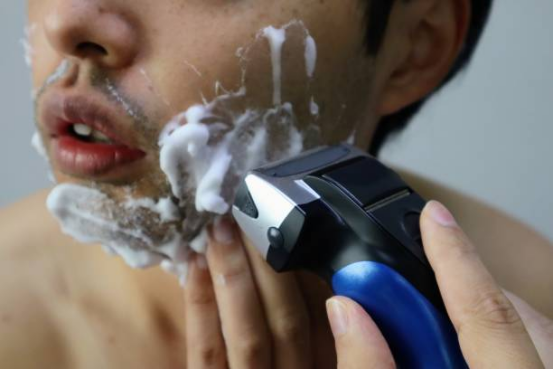
If you use a foil shaver daily, remember to clean the shaver head regularly. Residual sebum and stubble can also cause odor.
5. Deep care and emergency solutions
Every one or two weeks, you can do a “deep clean”: apply a warm towel to your beard for a few minutes to soften the oil, then use a special shampoo or conditioner to clean it.
If your beard smells like oil and smoke after going out, you can spray a mild antibacterial spray or a light fragrance spray—but not too much, so as not to mix the smell.
3. Daily Care Plan (Frequency Recommendation Table)
| Nursing Program | Recommended frequency | Tips |
| Beard washing | 2–3 times a week | Use a beard shampoo instead of regular shampoo |
| Rinse with warm water | Once a day | Helps remove dust and oil |
| Beard Oil | Every morning and evening or after washing | Massage a small amount to absorb and the aroma will diffuse naturally |
| Sorting out | 1–2 times daily | Use a wooden comb or bristle brush |
| Pruning and care | Every 2–4 weeks | Removes split ends and debris accumulation areas |
| Emergency Cleaning | As needed | Carry wet wipes or portable spray when going out |
If you stick to these habits for a long time, you will notice that your beard is not only cleaner but also smoother and shinier.
IV. Answers to Frequently Asked Questions
Q1: Does your beard smell like cheese or sour?
This could be the result of sweat and sebum mixing with bacteria. Many people mention a “cheesy” smell, but it’s actually a natural phenomenon caused by the breakdown of fatty acids.
Q2: Can a short beard have an odor?
Of course it can. Skin and oil production don’t stop just because your beard is short. Cleaning and maintenance are still essential.
Q3: Can I use regular soap or shampoo?
I don’t recommend it. Regular lotions can dry out the skin and stimulate excessive oil production, leading to a more severe odor.
Q4: If you’ve tried multiple methods and still have an odor?
It’s time to see a doctor. It could be a skin infection, inflammation, or metabolic problem. Especially if you have persistent, strong odors like “fishy” or “musty,” you should get checked out as soon as possible.
Conclusion
Beard odor isn’t a shameful issue, nor can it be masked simply with perfume. The real solution lies in a balance of cleanliness, care, and habits.
From daily washing and blow-drying to regular use of beard oil and foil shavers to maintain grooming, these little details will help your beard stay cleaner, more stylish, and more impressive.