

Why Does My Beard Itch?—A Comprehensive Analysis of Causes and Solutions

Many men who grow beards face a common problem: Why does my beard itch?
When I first started growing stubble, I couldn’t help scratching my chin almost every day, even wondering if a beard wasn’t for me. But after researching and trying various methods, I discovered it’s a common problem, with clear causes and solutions.
In this article, I’ll take a look at the common causes of itchy beards and ways to actually relieve them.
1. Common causes of itchy beard
1. The beard has just grown
If you’re used to shaving daily, the tips of new beard hairs will be sharp, even needle-like. As they break through the skin, they can cause irritation and itching. This is most noticeable during the initial stubble phase.
Tip: The itchiness will usually subside as your beard grows longer, so don’t give up too quickly.
2. Dry skin
- Dry skin is one of the most common culprits.
- In winter or dry climates, water loss is rapid;
- Frequent face washing and the use of alcohol-based or harsh cleansing products can also strip away the skin’s natural oils.
- Lack of moisturizing can lead to tightness, peeling, and even itching.
Sometimes you think your beard is itchy, but it is actually your skin that is “crying out for thirst.”
3. Dead skin and oil accumulation
The skin beneath your beard undergoes a similar metabolism process as your scalp. If it’s not properly cleaned, a mixture of dead skin, oil, and dust can clog your pores, leading to inflammation, itchiness, and even breakouts.
This situation is especially common in people with thick beards because the skin is covered and cannot “breathe” easily.
4. Ingrown hair & Folliculitis
This is a common problem that many people overlook.
When beards are shaved too short or in the wrong direction, the hairs can grow into the skin, creating “inverted hair growth.” Once this happens, the area around the hair follicles can become inflamed, red, and uncomfortably itchy. In severe cases, small pustules may form, a condition known as folliculitis.
5. Skin conditions or infections
In addition to daily care issues, there are also some medical reasons:
- Seborrheic dermatitis: Red, greasy, scaly skin, often on the scalp and beard area;
- Fungal infections (such as tinea barbae): skin erythema and itching;
- Contact dermatitis: Certain shaving creams, skin care products, or fragrances may irritate your skin.
These conditions often require special care and even medication.
6. Problems with shaving methods and tools
Many people don’t realize that shaving tools and methods themselves may also be the source of itching.
- Blurred blades: easy to pull the skin;
- Dirty electric shavers: They breed bacteria and cause irritation.
- Shaving too close: It can easily cause razor burn.
- Lack of preparation steps: Not using hot water to soften the beard and going straight to the razor will put more strain on the skin.
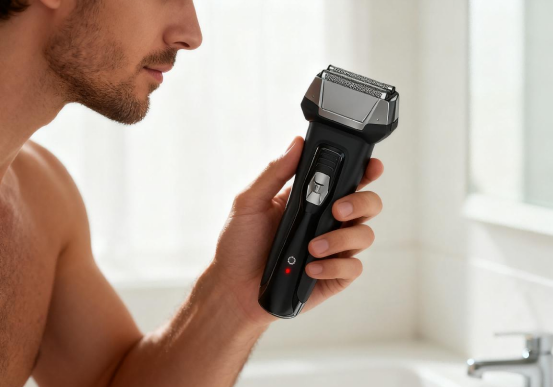
Here we have to mention an alternative: foil shaver. Compared with traditional blades, it is gentler on the skin and can reduce direct friction, which is especially suitable for people with sensitive skin.
2. How to relieve and prevent beard itching?
After explaining the reasons, the next step is the most critical part—the solution. The following method is compiled by me based on the information and personal experience.
1. Maintain good cleaning habits
- Wash every day or every other day with warm water and a mild facial cleanser/beard wash.
- Avoid using strong alkaline soaps or products containing alcohol.
- After cleaning, gently press dry with a towel; do not rub hard.
2. Moisturizing and nourishing
- After washing your face, apply beard oil, moisturizer, or beard butter to your skin while it’s still damp.
- Products containing natural oils (such as jojoba oil and almond oil) can soften beard hair and reduce the feeling of “skin picking.”
- If your skin is particularly dry, consider applying another layer of moisturizer before bed.
3. The correct way to shave
- Use a hot towel on your face before shaving to soften your beard.
- Keep the blades sharp and clean;
- Try to shave in the direction of hair growth;
- Don’t shave too close every day; leaving a moderate length will make you more comfortable.
- For sensitive skin, you can try a foil shaver to reduce direct friction.
4. Exfoliation and pore cleaning
- Gently exfoliate 1-2 times a week to remove dead skin;
- Use a beard comb or wooden comb to comb your beard every day to help the hair grow in a more even direction.
- Keep your skin fresh and avoid prolonged humidity and heat.
3. Daily Tips and Tool Recommendations
In addition to routine care, you can also use some “auxiliary tools”:
- Foil shaver: very friendly to sensitive skin and can avoid excessive irritation;
- Beard Oil & Beard Butter: Keeps beard moisturized and smooth;
- Beard comb/wooden comb: comb every day to reduce ingrown hair.
- Exfoliating products help the skin “breathe” and prevent dead skin from accumulating.
- Lifestyle habits: Ensure adequate sleep and a light diet, and your skin will naturally be healthier.
IV. Summary
To put it bluntly, beard itching is often caused by the combination of several common factors:
- the “pins and needles” sensation of newly grown stubble;
- Dry skin or dead skin buildup;
- Ingrown hair, folliculitis;
- Improper shaving method and tool selection.
The solution is actually not complicated: keep clean, moisturize in time, learn to shave correctly, exfoliate properly, and use appropriate shaving tools such as a foil shaver, which can basically significantly relieve the itching.
Of course, if you’ve tried these methods and the condition is still severe, don’t try to fight it yourself. Seeing a dermatologist is the safest option.